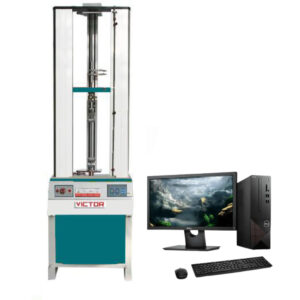
Application
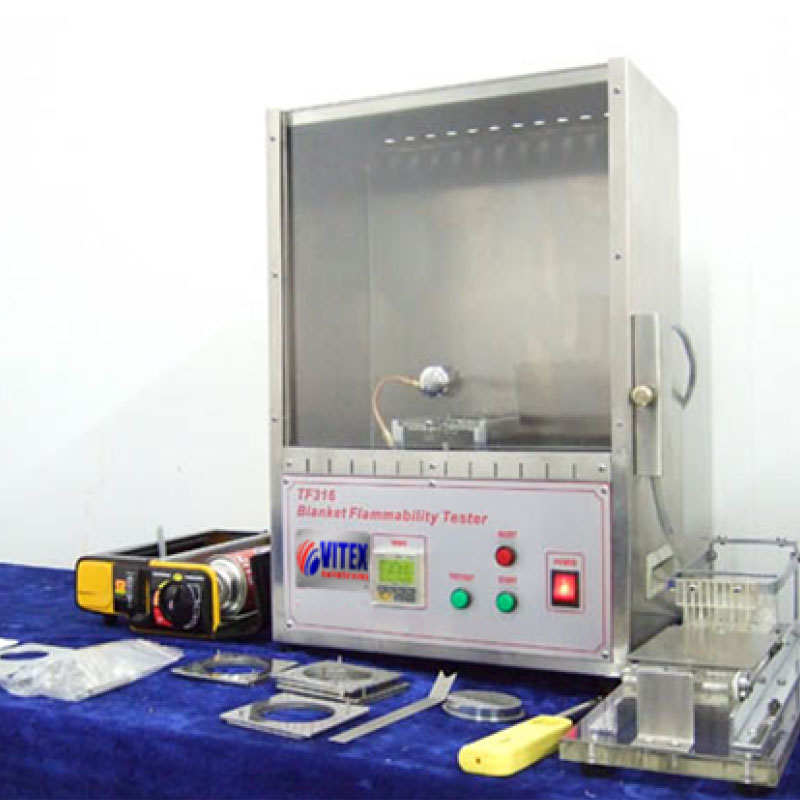
The Blanket Flammability Tester is designed to evaluate the ignition resistance and surface flame spread performance of blanket fabrics. The test involves applying a standardized flame to the surface of the fabric specimen for a specified time under controlled conditions. The reaction of the fabric, including any burning, damage, or discoloration of a paper monitor, is observed and used to classify the fabric’s flammability. This test is essential for determining the flame retardancy of blankets and other fabric materials.
Testing Method
Test Principle
The 45 Degree Flammability Tester consists of a combustion chamber and a control system. The fabric sample is placed at a 45° angle on a specimen rack inside the combustion chamber. The nozzle ignites the sample with a flame for a set time, and the flame spread is observed. The time it takes for the flame to spread determines the fabric’s flammability rating. This test method is suitable for evaluating the flammability of various types of fabric in line with ASTM and FTMS standards.
Sample Preparation
- Dry Cleaning: Follow the 45-degree dry cleaner instruction or ASTM dry clean method.
- Washing: Gently knead the dry-cleaned samples in soft water for 5 minutes, rinse twice in 80°F water, and dry. After cleaning, the sample dimensions should be 50.8mm x 152.4mm (2 x 6 inches).
- Brushing and Drying: Brush the sample in the opposite direction of the fibers (if present) both before and after cleaning. Place the sample in an oven at 221°F (105°C) for 30 minutes to dry, then cool it in an anhydrous calcium chloride cabinet.
Flammability Test Procedure
- Attach the sample to the frame clamp, ensuring an 8 mm distance between the fire nozzle and the sample surface.
- Set the ignition and flame spread times, then press the ENT button to save the settings.
- Attach the stop-moving hammer to the wing using a cotton rope through the leading pole.
- Ignite the burner and adjust the flame gauge to ensure the frame length is 16mm.
- Start the test. The flame contacts the sample, and the timer begins. The timer stops once the rope is burned and the sample’s flame propagation time is recorded.
- Test five samples and calculate the average burning time. If the burning time is less than 4 seconds or the samples don’t burn, test five more samples and average the results from all 10 samples.
Maintenance
- Avoid impacts or bending the fire nozzle, as this can affect the test results.
- Keep the weight hammer switch at an appropriate height to protect the stop switch.
- Regularly clean burning material residues, the sample clamp, and the interior of the cabinet.
- Check the airtight gas path to prevent leakage that could affect test results or cause safety hazards.
- Store the instrument in dry conditions to prevent rusting, and carry out regular anti-rust treatment.
- Keep the tester in a well-ventilated area to maintain safety during testing.