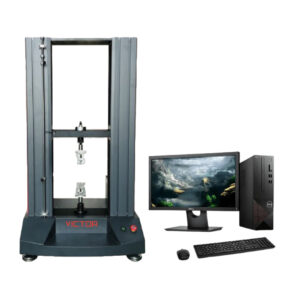
VIT 132 – Fabric Electromagnetic Shielding Tester

[product_tags_no_comma_alt]

Application

The Fabric Electromagnetic Shielding Tester is designed to measure the plane wave shielding effectiveness of various materials, including woven and non-woven fabrics, metal sheets, coatings, metal nets, conductive films, conductive glass, and conductive medium sheets. This tester utilizes the coaxial flange testing method with a double-shield structure and a computerized transmitter-receiver system for accurate automatic data acquisition of fabric electromagnetic shielding performance.

Specification

Standards
ASTM D4935, SJ2054, GB/T23326

Power
220 / 110 V, 50/60 Hz

Technical Specifications

  • Launch Frequency Range: 20 MHz – 1.3 GHz
  • Frequency Instability: <1000 Hz
  • Minimum Frequency Jump Interval: 1 MHz
  • Launch Output Power: >13 dBm
  • Receiving Power Dynamic Range: +5 dBm to -55 dBm
  • Receiver Accuracy: ±1 dB
  • Receiver Power Resolution: 0.01 dB
  • Receiver Frequency Range: 10 MHz – 3 GHz
  • Double-Shield Performance: >20 dB
  • Sample Thickness: ≤5 mm

Weight
80 kg

Dimensions
950 x 550 x 510 mm (L x W x H)

Testing Method

Importance of Electromagnetic Shielding
With the rapid advancement of electronic information and communication technologies, the use of electronic devices in daily life and industries is increasing. As a result, the EMC (electromagnetic compatibility) standards for human exposure to electromagnetic radiation are becoming stricter. Concerns about the harmful effects of electromagnetic radiation on human health are growing. Electromagnetic shielding materials, including fabrics, play a vital role in attenuating electromagnetic radiation. These materials, especially those used in RF protective clothing, are essential in protecting against such radiation.

Test Specification
The Fabric Electromagnetic Shielding Tester complies with standards such as ASTM D4935 and GB/T23326, and is designed for measuring the shielding effectiveness (SE) of planar materials under normal incidence, far-field, and plane-wave conditions. This test is commonly used for measuring materials like stainless steel fiber blends with cotton, polyester, or cotton-polyester fabrics.

Test Principle

  1. Turn on the signal generator, set the working frequency and transmitting frequency according to the instrument’s operation flow.
  2. The transmitted signal from the system is received by the test window’s receiving antenna, and the receiver displays the blank field strength data.
  3. The instrument is then powered off, and the test fabric sample is cut to the appropriate size, placed on a special test frame, and properly connected to the shield wall.
  4. With the signal source system turned on, the receiving system measures the field strength after the shielding fabric attenuates the signal.
  5. Finally, the shielding efficiency of the fabric is calculated using a specified formula.

Measurement Error Analysis and Prevention Measures
Several factors can impact the accuracy of measurements, including material characteristics, mismatches in the transmission line path, and the dynamic range of the measurement system. Errors can also arise from environmental factors like temperature, humidity, and electromagnetic interference, which is why testing should be performed in a specially designed, standard shielding room. To minimize errors, each sample should be tested three times, and the average value should be calculated.

Coming Soon

Application

The Fabric Electromagnetic Shielding Tester is designed to measure the plane wave shielding effectiveness of various materials, including woven and non-woven fabrics, metal sheets, coatings, metal nets, conductive films, conductive glass, and conductive medium sheets. This tester utilizes the coaxial flange testing method with a double-shield structure and a computerized transmitter-receiver system for accurate automatic data acquisition of fabric electromagnetic shielding performance.

Specification

Standards
ASTM D4935, SJ2054, GB/T23326

Power
220 / 110 V, 50/60 Hz

Technical Specifications

  • Launch Frequency Range: 20 MHz – 1.3 GHz
  • Frequency Instability: <1000 Hz
  • Minimum Frequency Jump Interval: 1 MHz
  • Launch Output Power: >13 dBm
  • Receiving Power Dynamic Range: +5 dBm to -55 dBm
  • Receiver Accuracy: ±1 dB
  • Receiver Power Resolution: 0.01 dB
  • Receiver Frequency Range: 10 MHz – 3 GHz
  • Double-Shield Performance: >20 dB
  • Sample Thickness: ≤5 mm

Weight
80 kg

Dimensions
950 x 550 x 510 mm (L x W x H)

Testing Method

Importance of Electromagnetic Shielding
With the rapid advancement of electronic information and communication technologies, the use of electronic devices in daily life and industries is increasing. As a result, the EMC (electromagnetic compatibility) standards for human exposure to electromagnetic radiation are becoming stricter. Concerns about the harmful effects of electromagnetic radiation on human health are growing. Electromagnetic shielding materials, including fabrics, play a vital role in attenuating electromagnetic radiation. These materials, especially those used in RF protective clothing, are essential in protecting against such radiation.

Test Specification
The Fabric Electromagnetic Shielding Tester complies with standards such as ASTM D4935 and GB/T23326, and is designed for measuring the shielding effectiveness (SE) of planar materials under normal incidence, far-field, and plane-wave conditions. This test is commonly used for measuring materials like stainless steel fiber blends with cotton, polyester, or cotton-polyester fabrics.

Test Principle

  1. Turn on the signal generator, set the working frequency and transmitting frequency according to the instrument’s operation flow.
  2. The transmitted signal from the system is received by the test window’s receiving antenna, and the receiver displays the blank field strength data.
  3. The instrument is then powered off, and the test fabric sample is cut to the appropriate size, placed on a special test frame, and properly connected to the shield wall.
  4. With the signal source system turned on, the receiving system measures the field strength after the shielding fabric attenuates the signal.
  5. Finally, the shielding efficiency of the fabric is calculated using a specified formula.

Measurement Error Analysis and Prevention Measures
Several factors can impact the accuracy of measurements, including material characteristics, mismatches in the transmission line path, and the dynamic range of the measurement system. Errors can also arise from environmental factors like temperature, humidity, and electromagnetic interference, which is why testing should be performed in a specially designed, standard shielding room. To minimize errors, each sample should be tested three times, and the average value should be calculated.

Coming Soon

Save Big on High-Precision Tools!
Get up to 30% off on selected testing machines. Hurry, offer ends soon!
Need Expert Advice?
Speak with our specialists to find the perfect engineering equipment for your needs.

Request a Quote or Further Information

Please fill in the request form below and one of our engineers will contact you to discuss your system requirements and if we can help, our typical response time is within 1 – 3 working day.

What you should know

Well, there's a few conditions that apply:

  • You agree NOT to pay us for this service.
  • You're comfortable with supplying us with relevant information in this form as well as other relevant information surrounding the request, for example; what you want, how many, delivery deadlines, restrictions on the location of the supplier, price targets etc.
  • We may only process requests where the email address submitted matches the company name. We may not respond to free email accounts such as Hotmail.
  • You agree that all information provided in this inquiry form represents yourself or an entity that you can speak for, that the information is accurate to the best of your knowledge and that if we determine that you have given false information we may choose not to proceed with this request.
  • You accept that, the operators of this site, cannot guarantee the suitability of any materials, equipment or services you may purchase from a supplier we've contacted on your behalf. You must check that out with the supplier.
  • We respect your privacy and only pass on the details contained in your request to appropriate suppliers in accordance to your inquiry. As we will share your information with related suppliers, we need your permission to do this by you clicking the submit button. We respect your privacy and promise you will only receive related information in accordance with testing and measuring instruments or equipment news and updates. You can unsubscribe from any of these services at any time by simply forwarding an email to [email protected].
  • We can't guarantee that the supplier will respond and if they don't, you agree you won't get angry with us. However, if you don't receive a response within 10 working days, please send us a follow-up message and we'll try and help further.