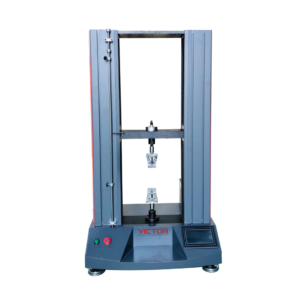
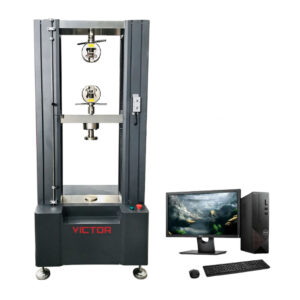
VIT 135 – Feather & Down Filling Power Tester

[product_tags_no_comma_alt]

Application

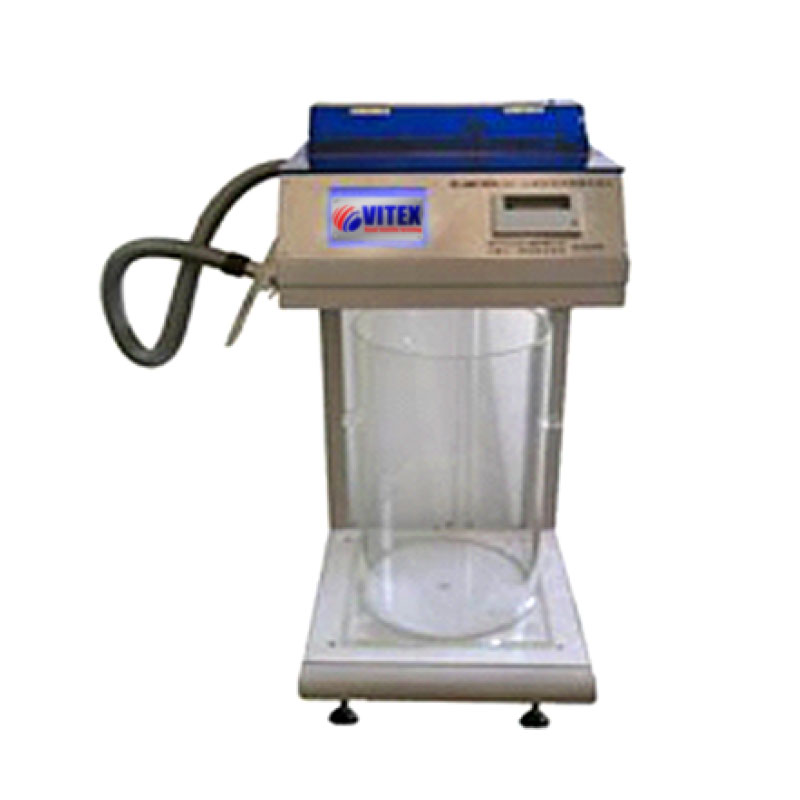
The Feather & Down Filling Power Tester is designed to determine the filling power (massic volume) of feather and down. The test involves applying pressure to the sample by lowering the platen at a constant speed, and then recording the height of the platen after a specified time. The massic volume is calculated based on the height and the known diameter of the graduated cylinder.

Features

  • Automatic blowing system
  • Individual filter system design
  • DC gear motor driving
  • SCM controlling
  • Touch screen operation for easy interface
  • Automatic lowering of the platen with height display

Specification

Standards
BS EN 12130, JIS L 1903, FZ/T 80001, GB/T 14272 (2011), GB/T 10288, IDFB-FP

Power
220V, 50 Hz, 100W

Weight
270 Kg (shipped in 2 wooden cases)

Dimensions
500 x 550 x 1500 mm (L x W x H)

Technical Specifications

  • Measuring Speed: 520 ± 20 mm/min
  • Measuring Height: 750 mm
  • Measuring Accuracy: 0.1 mm
  • Graduated Cylinder Internal Diameter: 289 ± 1 mm
  • Plunger & Measuring Rod Diameter: 285 mm, Weight: 94.3 g
  • Air Velocity: 310 ± 50 L/min
  • Equipped with Printer: Yes

Testing Method

Fluffiness of Feather & Down

Fluffiness is one of the key quality indicators for feather and down, representing the fabric’s elasticity and warmth. It measures the volume of a specific amount of down inside a container under a defined pressure. The higher the fluffiness, the more static air the down can hold, contributing to better insulation properties. Therefore, greater fluffiness translates into superior warmth for down products.

Factors Influencing Fluffiness

Several factors affect the final fluffiness test results:

  • Sampling methods and sample reduction techniques (e.g., oven or steam reduction)
  • Temperature and humidity conditions in the testing environment
  • Test method and standards used to evaluate fluffiness
  • The equipment and the operation of personnel during the test

Feather & Down Fluffiness Tester Features

Our automatic feather & down fluffiness tester is designed to meet various standards and is suitable for testing the fluffiness of feather, down, and other fillers. Key features include:

  1. Color touch-screen display for ease of use.
  2. Unique filtration ventilation design, ensuring feathers remain in place and preventing operator injury.
  3. Adjustable test speed to comply with different standards; servo motor system ensures precise height measurement accuracy.
  4. Zero position system to ensure accurate data collection.
  5. High-precision sensor and ARM32 bit microprocessor for precise measurement and data collection.
  6. Automatic wind speed design maintains natural fluffiness, ensuring the authenticity and reproducibility of results.
  7. One-touch operation for the entire test process, eliminating manual bucket replacement.
  8. Fully automated process with no need to manually replace test buckets.

Test Method for Fluffiness

The fluffiness test follows various standards such as GB/T 10288, FZ/T 80001, BS EN 12130, JIS L 1903, and IDFB’s official analysis method. Below is the basic procedure based on the IDFB method:

  1. Treat the samples using the oven or steam reduction method.
  2. Place 30g of the treated sample into the measuring barrel and blow it loose for 5 seconds using the automatic blowing system.
  3. Blow the sample twice before the first test and once before each subsequent test.
  4. Press the start button; the weight plate moves downward at a set speed (0.54 m/min).
  5. The pressure plate makes contact with the sample and slows down due to the sample’s reaction force, with a reduced speed of less than 0.3 m/min.
  6. The test values are continuously displayed, and after one minute, the test results are printed. Each sample is tested five times, and the final result is calculated.

Coming Soon

Application

The Feather & Down Filling Power Tester is designed to determine the filling power (massic volume) of feather and down. The test involves applying pressure to the sample by lowering the platen at a constant speed, and then recording the height of the platen after a specified time. The massic volume is calculated based on the height and the known diameter of the graduated cylinder.

Features

  • Automatic blowing system
  • Individual filter system design
  • DC gear motor driving
  • SCM controlling
  • Touch screen operation for easy interface
  • Automatic lowering of the platen with height display

Specification

Standards
BS EN 12130, JIS L 1903, FZ/T 80001, GB/T 14272 (2011), GB/T 10288, IDFB-FP

Power
220V, 50 Hz, 100W

Weight
270 Kg (shipped in 2 wooden cases)

Dimensions
500 x 550 x 1500 mm (L x W x H)

Technical Specifications

  • Measuring Speed: 520 ± 20 mm/min
  • Measuring Height: 750 mm
  • Measuring Accuracy: 0.1 mm
  • Graduated Cylinder Internal Diameter: 289 ± 1 mm
  • Plunger & Measuring Rod Diameter: 285 mm, Weight: 94.3 g
  • Air Velocity: 310 ± 50 L/min
  • Equipped with Printer: Yes

Testing Method

Fluffiness of Feather & Down

Fluffiness is one of the key quality indicators for feather and down, representing the fabric’s elasticity and warmth. It measures the volume of a specific amount of down inside a container under a defined pressure. The higher the fluffiness, the more static air the down can hold, contributing to better insulation properties. Therefore, greater fluffiness translates into superior warmth for down products.

Factors Influencing Fluffiness

Several factors affect the final fluffiness test results:

  • Sampling methods and sample reduction techniques (e.g., oven or steam reduction)
  • Temperature and humidity conditions in the testing environment
  • Test method and standards used to evaluate fluffiness
  • The equipment and the operation of personnel during the test

Feather & Down Fluffiness Tester Features

Our automatic feather & down fluffiness tester is designed to meet various standards and is suitable for testing the fluffiness of feather, down, and other fillers. Key features include:

  1. Color touch-screen display for ease of use.
  2. Unique filtration ventilation design, ensuring feathers remain in place and preventing operator injury.
  3. Adjustable test speed to comply with different standards; servo motor system ensures precise height measurement accuracy.
  4. Zero position system to ensure accurate data collection.
  5. High-precision sensor and ARM32 bit microprocessor for precise measurement and data collection.
  6. Automatic wind speed design maintains natural fluffiness, ensuring the authenticity and reproducibility of results.
  7. One-touch operation for the entire test process, eliminating manual bucket replacement.
  8. Fully automated process with no need to manually replace test buckets.

Test Method for Fluffiness

The fluffiness test follows various standards such as GB/T 10288, FZ/T 80001, BS EN 12130, JIS L 1903, and IDFB’s official analysis method. Below is the basic procedure based on the IDFB method:

  1. Treat the samples using the oven or steam reduction method.
  2. Place 30g of the treated sample into the measuring barrel and blow it loose for 5 seconds using the automatic blowing system.
  3. Blow the sample twice before the first test and once before each subsequent test.
  4. Press the start button; the weight plate moves downward at a set speed (0.54 m/min).
  5. The pressure plate makes contact with the sample and slows down due to the sample’s reaction force, with a reduced speed of less than 0.3 m/min.
  6. The test values are continuously displayed, and after one minute, the test results are printed. Each sample is tested five times, and the final result is calculated.

Coming Soon

Save Big on High-Precision Tools!
Get up to 30% off on selected testing machines. Hurry, offer ends soon!
Need Expert Advice?
Speak with our specialists to find the perfect engineering equipment for your needs.

Request a Quote or Further Information

Please fill in the request form below and one of our engineers will contact you to discuss your system requirements and if we can help, our typical response time is within 1 – 3 working day.

What you should know

Well, there's a few conditions that apply:

  • You agree NOT to pay us for this service.
  • You're comfortable with supplying us with relevant information in this form as well as other relevant information surrounding the request, for example; what you want, how many, delivery deadlines, restrictions on the location of the supplier, price targets etc.
  • We may only process requests where the email address submitted matches the company name. We may not respond to free email accounts such as Hotmail.
  • You agree that all information provided in this inquiry form represents yourself or an entity that you can speak for, that the information is accurate to the best of your knowledge and that if we determine that you have given false information we may choose not to proceed with this request.
  • You accept that, the operators of this site, cannot guarantee the suitability of any materials, equipment or services you may purchase from a supplier we've contacted on your behalf. You must check that out with the supplier.
  • We respect your privacy and only pass on the details contained in your request to appropriate suppliers in accordance to your inquiry. As we will share your information with related suppliers, we need your permission to do this by you clicking the submit button. We respect your privacy and promise you will only receive related information in accordance with testing and measuring instruments or equipment news and updates. You can unsubscribe from any of these services at any time by simply forwarding an email to [email protected].
  • We can't guarantee that the supplier will respond and if they don't, you agree you won't get angry with us. However, if you don't receive a response within 10 working days, please send us a follow-up message and we'll try and help further.