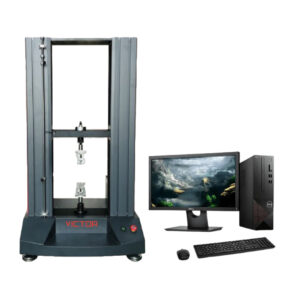
VIT 390 – Colour Card Winder

[product_tags_no_comma_alt]

Application

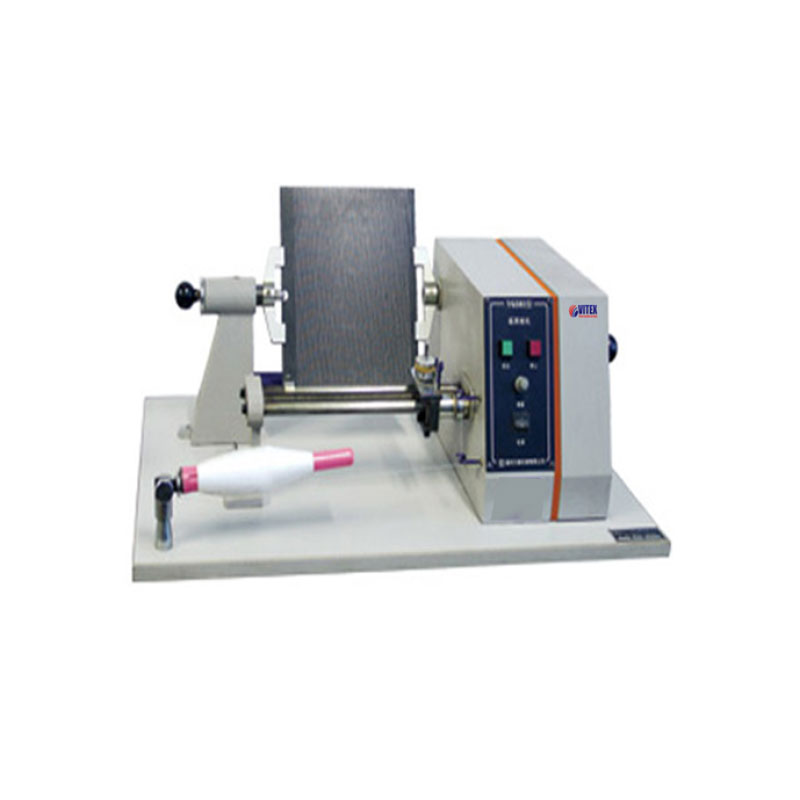
The Colour Card Winder is specially designed for the textile industry to wind color cards used in various quality and color assessments. These cards can be fed into the photo spectrometer of computer color matching systems or used for sample cards, whiteness tests, ultraviolet ray resistance tests, sample standardization, color comparison, and color charts. The machine comes equipped with an electronic counter for pre-setting and is adjusted to the customer’s required card size before shipping.

Features

During the weaving process, yarns undergo various mechanical actions such as tension, bending, and torsion. They also experience different forms of friction when winding through guide parts and coils. As a result, the quality of yarn directly impacts the yield and quality of woven fabric. The Colour Card Winder is crucial for detecting yarn quality, ensuring consistency and precision in textile production.

Specification

Standards Compliance:

  • ASTM 2255
  • GB 9996

Power Supply:

  • 220/110 V, 50/60 Hz

Weight:

  • 70 Kg

Dimensions:

  • 650 x 670 x 320 mm (L x W x H)

Technical Specifications:

  • Winding speed: 30 ~ 450 rpm (adjustable)
  • Winding width (each yarn): 16 mm (customizable)
  • Number of yarns: 10 (20 offered on request)
  • Winding carton size: 250 x 32 mm (c

Testing Method

The Colour Card Winder determines the appearance quality of yarns made from cotton, synthetic fibers, or their blends by winding them onto a blackboard for visual inspection. This method evaluates the appearance quality of carded yarn, combed cotton yarn, air-spun yarn, and similar types. It is not suitable for evaluating woolen yarn.

Key Definitions:

  • Yarn Appearance: Visual observation of yarn samples wound onto a blackboard to assess their evenness and quality.
  • Slub: Sections of yarn with a noticeably thicker diameter.
  • Thin Place: Sections of yarn with a noticeably thinner diameter.
  • Shadow: Darkened areas formed by the arrangement of thinner yarn segments.
  • Serious Defects: Major inconsistencies in yarn thickness and length.
  • Systematic Unevenness: Consistent unevenness in yarn thickness across a large section.
  • Nep: Small fiber knots forming unbroken particles.

Grade Evaluation Yarn quality is graded based on the comparison of evenness, slub, shadow, and impurity against standard samples:

  1. The lowest rating is assigned when slub and shadow both appear.
  2. Impurity and nep are evaluated independently from evenness.
  3. Grades are lowered based on the thickness, frequency, and visual prominence of slub.
  4. Shadows deeper or more widespread than the standard sample lower the grade.
  5. Systematic unevenness and serious defects result in lower ratings.

Coming Soon

Application

The Colour Card Winder is specially designed for the textile industry to wind color cards used in various quality and color assessments. These cards can be fed into the photo spectrometer of computer color matching systems or used for sample cards, whiteness tests, ultraviolet ray resistance tests, sample standardization, color comparison, and color charts. The machine comes equipped with an electronic counter for pre-setting and is adjusted to the customer’s required card size before shipping.

Features

During the weaving process, yarns undergo various mechanical actions such as tension, bending, and torsion. They also experience different forms of friction when winding through guide parts and coils. As a result, the quality of yarn directly impacts the yield and quality of woven fabric. The Colour Card Winder is crucial for detecting yarn quality, ensuring consistency and precision in textile production.

Specification

Standards Compliance:

  • ASTM 2255
  • GB 9996

Power Supply:

  • 220/110 V, 50/60 Hz

Weight:

  • 70 Kg

Dimensions:

  • 650 x 670 x 320 mm (L x W x H)

Technical Specifications:

  • Winding speed: 30 ~ 450 rpm (adjustable)
  • Winding width (each yarn): 16 mm (customizable)
  • Number of yarns: 10 (20 offered on request)
  • Winding carton size: 250 x 32 mm (c

Testing Method

The Colour Card Winder determines the appearance quality of yarns made from cotton, synthetic fibers, or their blends by winding them onto a blackboard for visual inspection. This method evaluates the appearance quality of carded yarn, combed cotton yarn, air-spun yarn, and similar types. It is not suitable for evaluating woolen yarn.

Key Definitions:

  • Yarn Appearance: Visual observation of yarn samples wound onto a blackboard to assess their evenness and quality.
  • Slub: Sections of yarn with a noticeably thicker diameter.
  • Thin Place: Sections of yarn with a noticeably thinner diameter.
  • Shadow: Darkened areas formed by the arrangement of thinner yarn segments.
  • Serious Defects: Major inconsistencies in yarn thickness and length.
  • Systematic Unevenness: Consistent unevenness in yarn thickness across a large section.
  • Nep: Small fiber knots forming unbroken particles.

Grade Evaluation Yarn quality is graded based on the comparison of evenness, slub, shadow, and impurity against standard samples:

  1. The lowest rating is assigned when slub and shadow both appear.
  2. Impurity and nep are evaluated independently from evenness.
  3. Grades are lowered based on the thickness, frequency, and visual prominence of slub.
  4. Shadows deeper or more widespread than the standard sample lower the grade.
  5. Systematic unevenness and serious defects result in lower ratings.

Coming Soon

Save Big on High-Precision Tools!
Get up to 30% off on selected testing machines. Hurry, offer ends soon!
Need Expert Advice?
Speak with our specialists to find the perfect engineering equipment for your needs.

Request a Quote or Further Information

Please fill in the request form below and one of our engineers will contact you to discuss your system requirements and if we can help, our typical response time is within 1 – 3 working day.

What you should know

Well, there's a few conditions that apply:

  • You agree NOT to pay us for this service.
  • You're comfortable with supplying us with relevant information in this form as well as other relevant information surrounding the request, for example; what you want, how many, delivery deadlines, restrictions on the location of the supplier, price targets etc.
  • We may only process requests where the email address submitted matches the company name. We may not respond to free email accounts such as Hotmail.
  • You agree that all information provided in this inquiry form represents yourself or an entity that you can speak for, that the information is accurate to the best of your knowledge and that if we determine that you have given false information we may choose not to proceed with this request.
  • You accept that, the operators of this site, cannot guarantee the suitability of any materials, equipment or services you may purchase from a supplier we've contacted on your behalf. You must check that out with the supplier.
  • We respect your privacy and only pass on the details contained in your request to appropriate suppliers in accordance to your inquiry. As we will share your information with related suppliers, we need your permission to do this by you clicking the submit button. We respect your privacy and promise you will only receive related information in accordance with testing and measuring instruments or equipment news and updates. You can unsubscribe from any of these services at any time by simply forwarding an email to [email protected].
  • We can't guarantee that the supplier will respond and if they don't, you agree you won't get angry with us. However, if you don't receive a response within 10 working days, please send us a follow-up message and we'll try and help further.