

In Malaysia’s competitive industrial landscape, ensuring product quality and compliance is more important than ever. Whether you’re manufacturing rubber gloves in Klang, producing automotive parts in Penang, or testing packaging durability in Johor, the key to maintaining high standards is material testing. For professional and accurate material testing procedures, a well equipped Material Testing Machine is a necessity.
Material testing machines—such as tensile testers, compression machines, and universal testing machines—are essential tools for verifying the strength, durability, and safety of your products.
In this post, we’ll explore why material testing matters in Malaysia, how it supports compliance with SIRIM and ISO standards, and the types of tests that manufacturers commonly use.
🏭 Why Material Testing Machines Are Important for Malaysian Industries
Malaysia is a global player in sectors like:
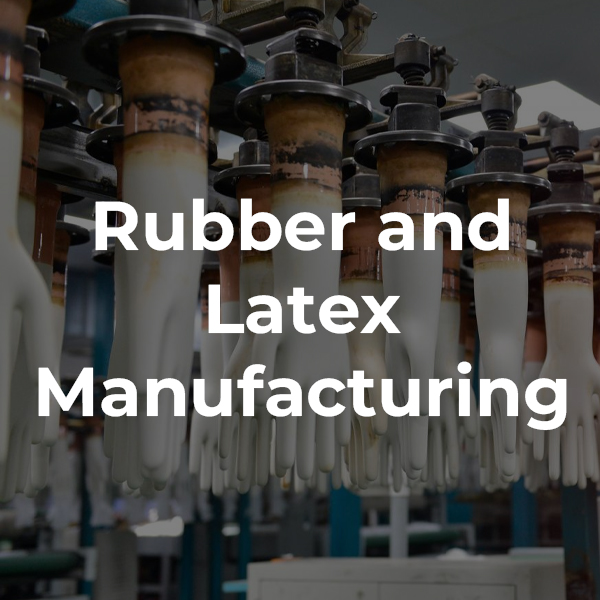


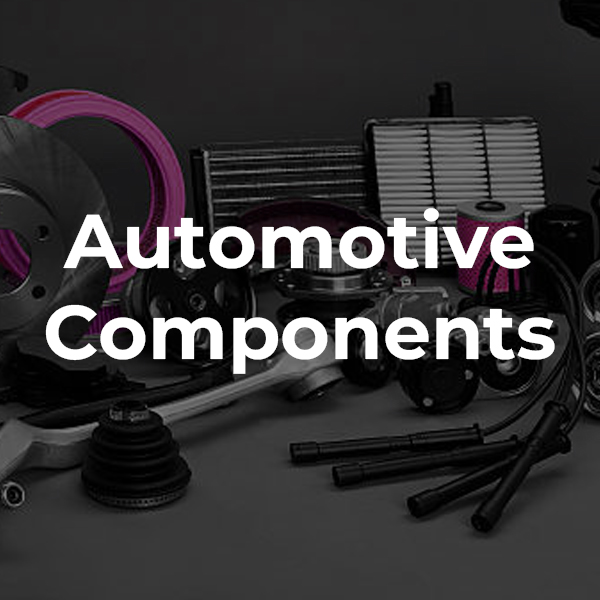

In each of these industries, product quality can’t be left to guesswork. Material testing machines ensures:
- Products perform under expected stress or load
- Defective or non-compliant items are filtered out early
- Customer satisfaction and safety are maintained
- Local and international regulations are met
Failing to test materials properly by avoiding testing methods such as the use of a material testing machine can lead to product recalls, failed certifications, and damaged reputations—all of which hurt Malaysian businesses in both local and export markets, leading to the destruction of many businesses and even the country’s economy
✅ Meeting SIRIM and ISO Standards in Malaysia
In Malaysia, the SIRIM QAS International and the Department of Standards Malaysia work to ensure manufacturers follow rigorous testing and quality control processes. Most sectors require:
- ISO 9001 (Quality Management)
- ISO 17025 (Lab Testing and Calibration)
- ASTM and ISO Material Testing Standards
Material testing machines like those from Victor Materials help ensure your products meet:
- SIRIM Certification Requirements
- ISO Standards for Mechanical Properties
- Customer-Specific Testing Protocols (especially for export)
With proper equipment and procedures such as the ever useful material testing machine, you can generate verifiable, traceable, and repeatable results, a must-have for certification and audits in the industry.
🧪 Common Types of Material Tests
Here are some of the most widely used tests by material testing machines in Malaysian industries:
Tensile Testing

Material testing machines that carry out this test measures how much a material can stretch before breaking.
✅ Common in rubber, plastics, textiles, and metal wire industries.
Compression Testing

Material testing machines that carry out this test assesses how a material behaves under crushing or compressive loads.
✅ Used for foam packaging, plastic containers, and
construction materials.
Flexural/Bending Testing

Material testing machines that carry out this test evaluates a material’s ability to resist deformation under bending stress.
✅ Useful in plastics, composites, and construction materials.
Hardness Testing
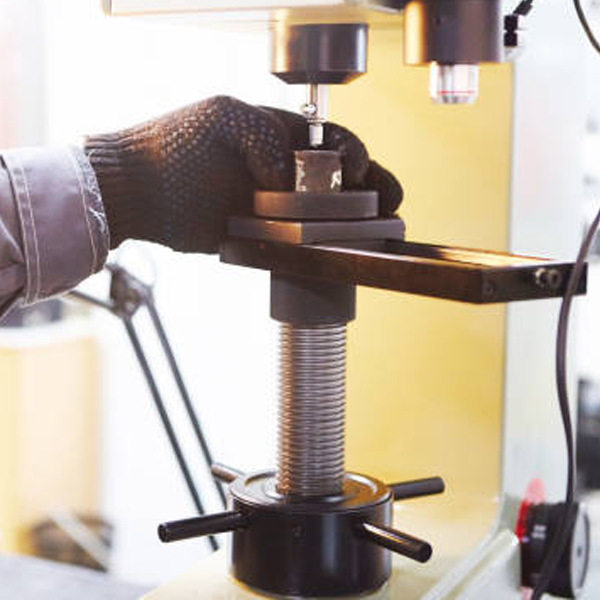
Material testing machines that carry out this test determine the resistance of a material to indentation.
✅ Common for rubber, plastics, and finished components.
These tests carried out by material testing machines help Malaysian companies ensure the right mechanical properties are met for both local and international markets.
🔧 Real Use Cases of Material Testing Machines in Malaysia
Rubber Industry (e.g., glove manufacturers in Klang Valley):

Material testing machines play a vital role in the rubber industry, especially for glove manufacturers in Klang Valley. The material testing machines do so by ensuring that products meet stringent quality and safety standards. These machines are used to perform tensile, elongation, and tear resistance tests on rubber gloves to evaluate their strength, flexibility, and durability under stress. By simulating real-world usage conditions, manufacturers can detect material weaknesses early, comply with international standards like ASTM D412 and ISO 37, and maintain consistency across production batches. This not only enhances product reliability but also helps Malaysian glove producers remain competitive in both local and export markets.
Plastic Packaging Industry:
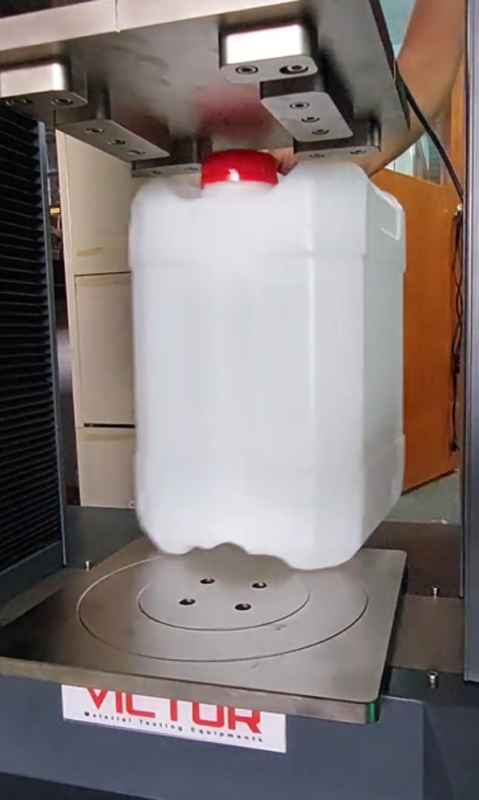
In the plastic packaging industry, material testing machines are essential for evaluating the performance and reliability of packaging materials such as films, containers, and bottles. These machines conduct tensile, compression, and puncture resistance tests to ensure that plastic packaging can withstand handling, stacking, and transportation without failing. For manufacturers in Malaysia, especially those serving food, medical, and consumer goods sectors, consistent testing helps meet local regulatory requirements and international standards. By using material testing machines, companies can improve product quality, reduce material waste, and maintain the structural integrity of their packaging throughout the supply chain.
Metalworking and Automotive:

In the metalworking and automotive industries, material testing machines are critical for verifying the strength, durability, and safety of metal components used in vehicles and structural applications. These machines perform tensile, yield strength, hardness, and impact tests on metals like steel, aluminum, and alloys to ensure they meet engineering and safety specifications. For Malaysian manufacturers involved in automotive parts production or metal fabrication, rigorous testing ensures compliance with international standards such as ISO 6892 and ASTM E8. By using advanced material testing machines, companies can prevent structural failures, enhance vehicle performance, and maintain a strong reputation in both domestic and export markets.
Educational Institutions:

Desktop universal testing machines are widely used in educational institutions and training labs across Malaysia to equip future engineers and quality assurance professionals with hands-on experience in material testing. These compact yet powerful machines allow students to understand key mechanical properties and testing methodologies. By integrating these machines into engineering and technical programs, universities and colleges provide practical learning that complements theoretical knowledge. This exposure not only enhances students’ technical skills but also prepares them to meet the real-world demands of industries such as manufacturing, construction, and automotive engineering.
🛠 How Victor Manufacturing Supports Malaysian Manufacturers
At Victor Manufacturing, we specialize in locally supported, SIRIM-compliant material testing machines, including:
- Universal Testing Machines (UTMs) for multi-purpose material testing machine use.
- Dedicated Tensile & Compression Material Testing Machines.
- Compact Benchtop Material Testing Machine Models for lab use.
- Custom fixtures and grips for Malaysian products and material testing machines.
Whether you’re a startup in Shah Alam or an established exporter in Penang, victor materials can provide installation, training, and after-sales support to help your business maintain top-tier quality control through the use of our top quality material testing machines.