
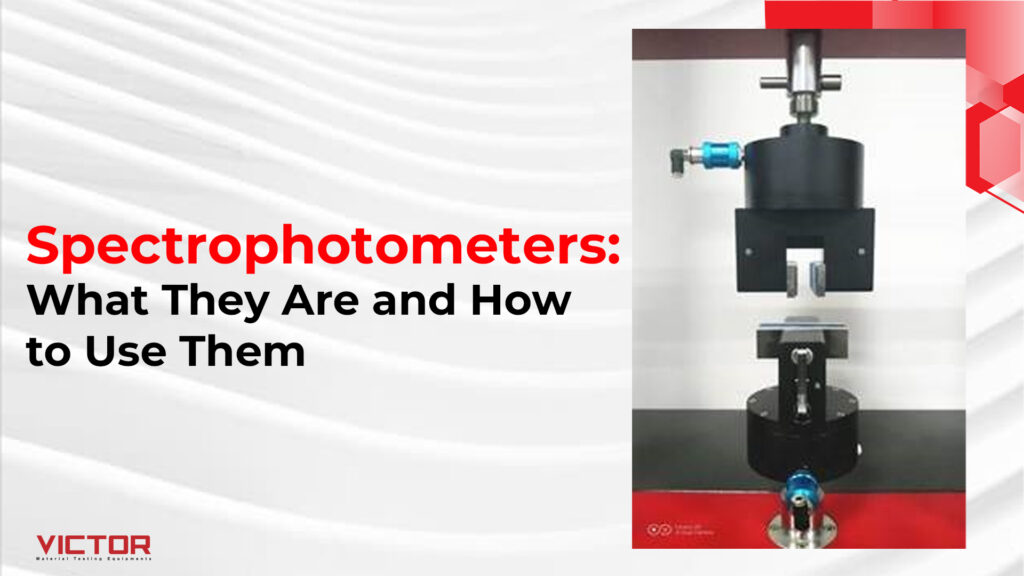
ASTM (American Society for Testing and Materials) is an international standards organization based in the United States. Its primary purpose is to develop technical standards for various materials, products, and systems used across industries. One of the widely adopted ASTM standards in the textile industry is ASTM D5035.
Overview of ASTM D5035
Description
ASTM D5035 is a standardized test method for determining the breaking force and elongation of textile fabrics. This method is commonly used in textile manufacturing industries, particularly for fabrics made from materials such as:
- Acetate, Acrylic, Cotton, Flax, Nylon, Olefin, Polyester, Rayon, Silk, Wool
The standard is not recommended for knitted fabrics or textiles with high stretch (over 11%).
Measurement Units
The test results can be reported in either:
- Inch-pound units (customary in the U.S.)
- SI units (International System of Units)
In Malaysia, SI units are more commonly used. ASTM standards are widely recognized by both corporate and government bodies, making ASTM D5035 a preferred standard for textile testing in Malaysia.
Key Parameters Measured
Breaking Force
Ultimate Tensile Strength (Maximum Load)
Elongation at Break
Test Specimens & Grips
Specimens
- Textile fabrics (woven and non-woven)
The test involves clamping a fabric sample into a testing machine and applying force until the material breaks.
Grip Type
1. Pneumatic Grips
- Recommended for various textile materials
- Uses pneumatic cylinders for controlled gripping force
- Equipped with rubber-coated jaw faces to securely hold fabric strips
- Preferred over manual grips for ease of use, efficiency, and repeatability
Recommended UTM Machine
For ASTM D5035 testing, we recommend Universal Testing Machines (UTM) with a capacity of 5kN-20kN, depending on the fabric’s strength. A dual-column tabletop UTM is ideal for this test.
Recommended Model: VEW 2308
Features:
- Mechanically-electrically integrated system with force-measuring sensors, microprocessors, and load drive mechanisms
- High-precision electronic motor with five-speed settings
- Floor-standing model with modern industrial design for ergonomic operation
Capabilities:
This UTM can test various materials for:
- Tensile, compression, bending, shear, peel (90° and 180°), tear, crack resistance, and more
- Suitable for rubber, plastics, leather, metals, nylon wire, fabric, paper, aerospace materials, packaging, construction, and petrochemicals
More details: VEW 2308
Test Procedure
- Prepare the test specimens according to ASTM D5035 guidelines.
- Measure specimen dimensions (common width: 1 inch).
- Insert the sample into the pneumatic grips, securing the top grip first before clamping the bottom.
- Zero all testing equipment before starting the test.
- Apply a slight preload to align grips and remove slack.
- Start the test by clicking the software’s start button.
- Continue until the fabric breaks (ruptures).
- Record and report the test results.