VIT 161 – Rainproof Tester for Fabric Water Penetration Resistance

[product_tags_no_comma_alt]

Application

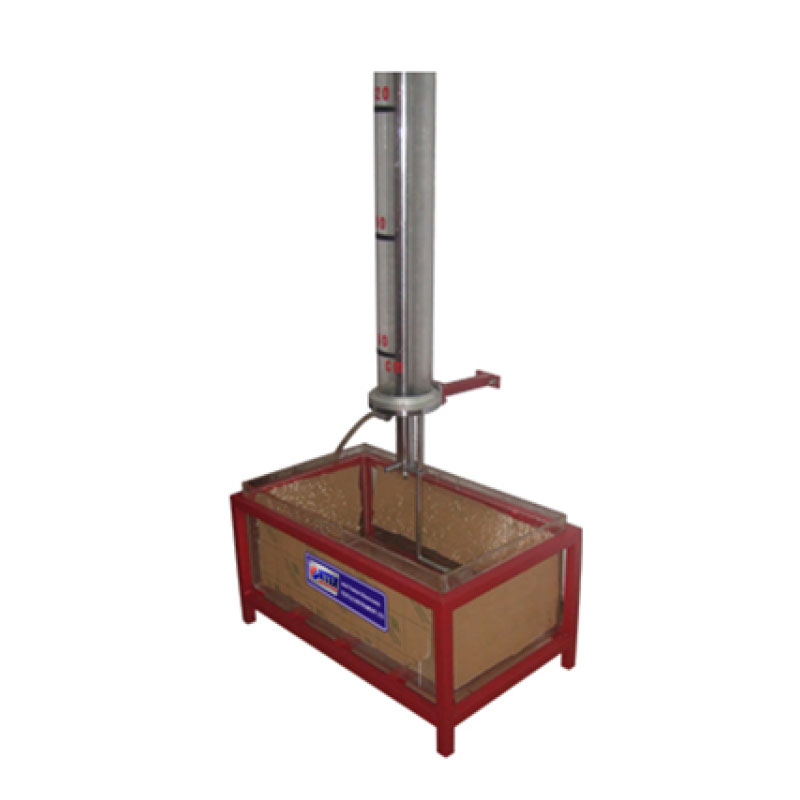
The Rainproof Tester is designed to determine the water penetration resistance of fabrics or composites subjected to varying intensities of water impact. This device simulates rainfall by applying horizontal water sprays to fabric samples mounted vertically in a stainless steel bath. The water column, adjustable from 600mm to 2400mm, impacts the fabric surface, and water penetration is measured through the weight change in an absorbent blotting paper backing the sample.

Optional Order

  • AATCC Blotting Paper 500 x 1000mm (20 x 40in) – 25 Sheets

Features

  • Simulated Rain Test: Accurately simulates the effect of rain on fabric, offering real-world insights into fabric waterproofing.
  • Adjustable Water Column: Water impact can be varied from 600mm to 2400mm, making it suitable for testing fabrics in different environmental conditions.
  • Standardized Testing: Meets industry standards (AATCC 35, BS EN ISO 22958, GB/T 23321), ensuring reliable and reproducible results.
  • Precision Nozzle: The nozzle diameter and spacing are carefully controlled for uniform water distribution during testing.
  • High-Performance Testing: The tester can assess the rain resistance of a wide range of fabrics and composites, ensuring they meet necessary waterproofing criteria.

Testing Method

Why Test Fabric Water Permeability?
The water permeability of fabrics refers to their ability to allow liquid water to pass through. This is crucial for evaluating materials used in rainwear, outdoor gear, and other applications where waterproof or water-resistant properties are essential. Testing the rainproof characteristics of fabrics ensures they meet industry standards for moisture protection and durability.

Test Method for Fabric Waterproofing
Several methods are used to assess the waterproofing of fabrics, including the hydrostatic pressure, spray, and rain methods. The Rainproof Tester utilizes the rain method, which mimics the effects of heavy rain on fabric. The process involves mounting fabric samples vertically in a stainless steel bath and subjecting them to simulated rain for five minutes. A standardized blotting paper is placed behind the sample, weighed before and after testing, and the weight difference reflects the water permeability.

Test Procedure

  1. Sample Preparation: Place the fabric sample on the apparatus, ensuring it is backed with blotting paper.
  2. Water Application: The device releases water through a nozzle (diameter 0.99 ± 0.013mm) at a controlled flow rate, simulating rainfall. The water column can be adjusted between 600mm and 2400mm in increments of 300mm.
  3. Test Duration: The fabric is subjected to the simulated rain for five minutes.
  4. Post-Test Weighing: After the test, the blotting paper is weighed again. The difference in weight indicates the amount of water that penetrated the fabric.
  5. Data Reporting: The results show the water permeability of the fabric, with a detailed assessment of how well the fabric resists water penetration under specified conditions.

Test Dimensions

  • Sample size: 200 x 200mm
  • Nip width: 152mm
  • Nip space: 165mm
  • Nip dimensions: 178 x 279mm
  • Nozzle diameter: 0.99 ± 0.013mm
  • Nozzle-to-sample distance: 305mm
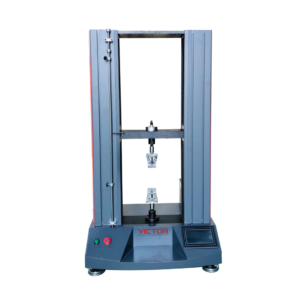
Specification

Standards

  • AATCC 35
  • BS EN ISO 22958
  • GB/T 23321

Weight

  • 139 Kg

Dimensions

  • 460 x 460 x 3300mm (L x W x H)


Coming Soon

Application

The Rainproof Tester is designed to determine the water penetration resistance of fabrics or composites subjected to varying intensities of water impact. This device simulates rainfall by applying horizontal water sprays to fabric samples mounted vertically in a stainless steel bath. The water column, adjustable from 600mm to 2400mm, impacts the fabric surface, and water penetration is measured through the weight change in an absorbent blotting paper backing the sample.

Optional Order

  • AATCC Blotting Paper 500 x 1000mm (20 x 40in) – 25 Sheets

Features

  • Simulated Rain Test: Accurately simulates the effect of rain on fabric, offering real-world insights into fabric waterproofing.
  • Adjustable Water Column: Water impact can be varied from 600mm to 2400mm, making it suitable for testing fabrics in different environmental conditions.
  • Standardized Testing: Meets industry standards (AATCC 35, BS EN ISO 22958, GB/T 23321), ensuring reliable and reproducible results.
  • Precision Nozzle: The nozzle diameter and spacing are carefully controlled for uniform water distribution during testing.
  • High-Performance Testing: The tester can assess the rain resistance of a wide range of fabrics and composites, ensuring they meet necessary waterproofing criteria.

Testing Method

Why Test Fabric Water Permeability?
The water permeability of fabrics refers to their ability to allow liquid water to pass through. This is crucial for evaluating materials used in rainwear, outdoor gear, and other applications where waterproof or water-resistant properties are essential. Testing the rainproof characteristics of fabrics ensures they meet industry standards for moisture protection and durability.

Test Method for Fabric Waterproofing
Several methods are used to assess the waterproofing of fabrics, including the hydrostatic pressure, spray, and rain methods. The Rainproof Tester utilizes the rain method, which mimics the effects of heavy rain on fabric. The process involves mounting fabric samples vertically in a stainless steel bath and subjecting them to simulated rain for five minutes. A standardized blotting paper is placed behind the sample, weighed before and after testing, and the weight difference reflects the water permeability.

Test Procedure

  1. Sample Preparation: Place the fabric sample on the apparatus, ensuring it is backed with blotting paper.
  2. Water Application: The device releases water through a nozzle (diameter 0.99 ± 0.013mm) at a controlled flow rate, simulating rainfall. The water column can be adjusted between 600mm and 2400mm in increments of 300mm.
  3. Test Duration: The fabric is subjected to the simulated rain for five minutes.
  4. Post-Test Weighing: After the test, the blotting paper is weighed again. The difference in weight indicates the amount of water that penetrated the fabric.
  5. Data Reporting: The results show the water permeability of the fabric, with a detailed assessment of how well the fabric resists water penetration under specified conditions.

Test Dimensions

  • Sample size: 200 x 200mm
  • Nip width: 152mm
  • Nip space: 165mm
  • Nip dimensions: 178 x 279mm
  • Nozzle diameter: 0.99 ± 0.013mm
  • Nozzle-to-sample distance: 305mm

Specification

Standards

  • AATCC 35
  • BS EN ISO 22958
  • GB/T 23321

Weight

  • 139 Kg

Dimensions

  • 460 x 460 x 3300mm (L x W x H)


Coming Soon

Save Big on High-Precision Tools!
Get up to 30% off on selected testing machines. Hurry, offer ends soon!
Need Expert Advice?
Speak with our specialists to find the perfect engineering equipment for your needs.

Request a Quote or Further Information

Please fill in the request form below and one of our engineers will contact you to discuss your system requirements and if we can help, our typical response time is within 1 – 3 working day.

What you should know

Well, there's a few conditions that apply:

  • You agree NOT to pay us for this service.
  • You're comfortable with supplying us with relevant information in this form as well as other relevant information surrounding the request, for example; what you want, how many, delivery deadlines, restrictions on the location of the supplier, price targets etc.
  • We may only process requests where the email address submitted matches the company name. We may not respond to free email accounts such as Hotmail.
  • You agree that all information provided in this inquiry form represents yourself or an entity that you can speak for, that the information is accurate to the best of your knowledge and that if we determine that you have given false information we may choose not to proceed with this request.
  • You accept that, the operators of this site, cannot guarantee the suitability of any materials, equipment or services you may purchase from a supplier we've contacted on your behalf. You must check that out with the supplier.
  • We respect your privacy and only pass on the details contained in your request to appropriate suppliers in accordance to your inquiry. As we will share your information with related suppliers, we need your permission to do this by you clicking the submit button. We respect your privacy and promise you will only receive related information in accordance with testing and measuring instruments or equipment news and updates. You can unsubscribe from any of these services at any time by simply forwarding an email to [email protected].
  • We can't guarantee that the supplier will respond and if they don't, you agree you won't get angry with us. However, if you don't receive a response within 10 working days, please send us a follow-up message and we'll try and help further.