VIT 513 A/C/D – Circular Sample Cutter

[product_tags_no_comma_alt]

Application

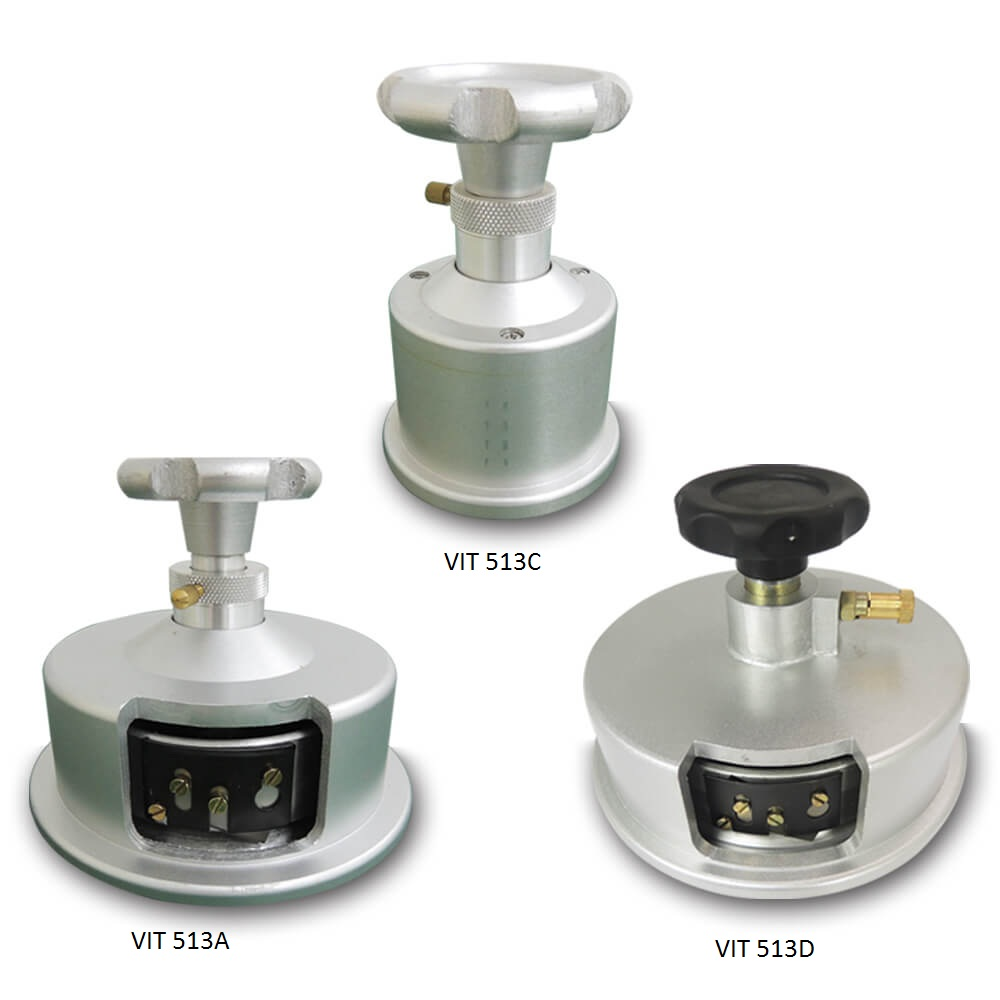
The Circular Sample Cutter (also known as GSM Cutter) is designed for cutting fabric samples of various dimensions, such as 100 cm² for GSM tests, or 140mm diameter for Martindale tests. This cutter ensures accurate and clean cuts with smooth edges, even for challenging materials like fabric, thin films, tissue paper, synthetic leather, and corrugated cardboard. The cutting action uses a drawing mechanism, allowing the cutter to operate easily on a range of materials. The cutting pad is made of porous rubber to ensure safety during use.

Models

  • TF513A: Circular Sample Cutter with a diameter of 113mm (100 cm²) — For European Fabric Yield System
  • TF513C: Circular Sample Cutter with a diameter of 38mm (12 cm²) — For Martindale Abrasion and Pilling Tester

TF513D: Circular Sample Cutter with a diameter of 140mm (154 cm²) — For Martindale Abrasion and Pilling Tester

Testing Method

What is a Fabric Weight Cutter?
The GSM machine, also known as a fabric weight cutter, is primarily used in the textile, leather, copper foil, glass fiber, and other industries to measure the weight of a product per unit area. It is sometimes referred to as the fabric sampler cutter or used together with an electronic balance.

Why Do You Need a Fabric Weight Circular Cutter?
In fabric production, numerous tests are required for consistency and to minimize errors. The GSM fabric cutter ensures standardized preparation of test samples, reducing variations in the process. By using the GSM cutter along with a scale, the correct sample size for accurate testing can be obtained. The fabric punch and scale are essential tools for proper testing.

Instrument Operation

  1. Place the fabric flat on the GSM cutter pad. Position the disc sampler over the fabric, release the locking device, and rotate it about 90 degrees. Apply pressure while rotating the handwheel clockwise to cut the circular sample.
  2. After use, ensure the locking device is engaged to prevent blade exposure and avoid injury.

Notice

  1. The blade is sharp, so avoid placing hands near the cutting edge to prevent injury.
  2. Always cut on the GSM cutter pad. Clean the instrument when not in use and store it properly in its instrument box to avoid damage.
  3. If the blade loses sharpness over time, it should be replaced.

Test Result
What is GSM in Fabric?
After cutting the sample, weigh it on an electronic balance (accuracy of 0.01g). Multiply the weight by 100 to calculate the weight per square meter (1m²). For example, if the sample weighs 3.57g, the fabric’s weight per 1m² (100 GSM fabric) is 357g.

Specification

Weight
3 Kg

Dimensions
200 x 200 x 160 mm (L x W x H)

Coming Soon

Application

The Circular Sample Cutter (also known as GSM Cutter) is designed for cutting fabric samples of various dimensions, such as 100 cm² for GSM tests, or 140mm diameter for Martindale tests. This cutter ensures accurate and clean cuts with smooth edges, even for challenging materials like fabric, thin films, tissue paper, synthetic leather, and corrugated cardboard. The cutting action uses a drawing mechanism, allowing the cutter to operate easily on a range of materials. The cutting pad is made of porous rubber to ensure safety during use.

Models

  • TF513A: Circular Sample Cutter with a diameter of 113mm (100 cm²) — For European Fabric Yield System
  • TF513C: Circular Sample Cutter with a diameter of 38mm (12 cm²) — For Martindale Abrasion and Pilling Tester

TF513D: Circular Sample Cutter with a diameter of 140mm (154 cm²) — For Martindale Abrasion and Pilling Tester

Testing Method

What is a Fabric Weight Cutter?
The GSM machine, also known as a fabric weight cutter, is primarily used in the textile, leather, copper foil, glass fiber, and other industries to measure the weight of a product per unit area. It is sometimes referred to as the fabric sampler cutter or used together with an electronic balance.

Why Do You Need a Fabric Weight Circular Cutter?
In fabric production, numerous tests are required for consistency and to minimize errors. The GSM fabric cutter ensures standardized preparation of test samples, reducing variations in the process. By using the GSM cutter along with a scale, the correct sample size for accurate testing can be obtained. The fabric punch and scale are essential tools for proper testing.

Instrument Operation

  1. Place the fabric flat on the GSM cutter pad. Position the disc sampler over the fabric, release the locking device, and rotate it about 90 degrees. Apply pressure while rotating the handwheel clockwise to cut the circular sample.
  2. After use, ensure the locking device is engaged to prevent blade exposure and avoid injury.

Notice

  1. The blade is sharp, so avoid placing hands near the cutting edge to prevent injury.
  2. Always cut on the GSM cutter pad. Clean the instrument when not in use and store it properly in its instrument box to avoid damage.
  3. If the blade loses sharpness over time, it should be replaced.

Test Result
What is GSM in Fabric?
After cutting the sample, weigh it on an electronic balance (accuracy of 0.01g). Multiply the weight by 100 to calculate the weight per square meter (1m²). For example, if the sample weighs 3.57g, the fabric’s weight per 1m² (100 GSM fabric) is 357g.

Specification

Weight
3 Kg

Dimensions
200 x 200 x 160 mm (L x W x H)
Coming Soon

Save Big on High-Precision Tools!
Get up to 30% off on selected testing machines. Hurry, offer ends soon!
Need Expert Advice?
Speak with our specialists to find the perfect engineering equipment for your needs.

Request a Quote or Further Information

Please fill in the request form below and one of our engineers will contact you to discuss your system requirements and if we can help, our typical response time is within 1 – 3 working day.

What you should know

Well, there's a few conditions that apply:

  • You agree NOT to pay us for this service.
  • You're comfortable with supplying us with relevant information in this form as well as other relevant information surrounding the request, for example; what you want, how many, delivery deadlines, restrictions on the location of the supplier, price targets etc.
  • We may only process requests where the email address submitted matches the company name. We may not respond to free email accounts such as Hotmail.
  • You agree that all information provided in this inquiry form represents yourself or an entity that you can speak for, that the information is accurate to the best of your knowledge and that if we determine that you have given false information we may choose not to proceed with this request.
  • You accept that, the operators of this site, cannot guarantee the suitability of any materials, equipment or services you may purchase from a supplier we've contacted on your behalf. You must check that out with the supplier.
  • We respect your privacy and only pass on the details contained in your request to appropriate suppliers in accordance to your inquiry. As we will share your information with related suppliers, we need your permission to do this by you clicking the submit button. We respect your privacy and promise you will only receive related information in accordance with testing and measuring instruments or equipment news and updates. You can unsubscribe from any of these services at any time by simply forwarding an email to [email protected].
  • We can't guarantee that the supplier will respond and if they don't, you agree you won't get angry with us. However, if you don't receive a response within 10 working days, please send us a follow-up message and we'll try and help further.