VIT 380 – Rapid Oil Extraction Apparatus

[product_tags_no_comma_alt]

Application

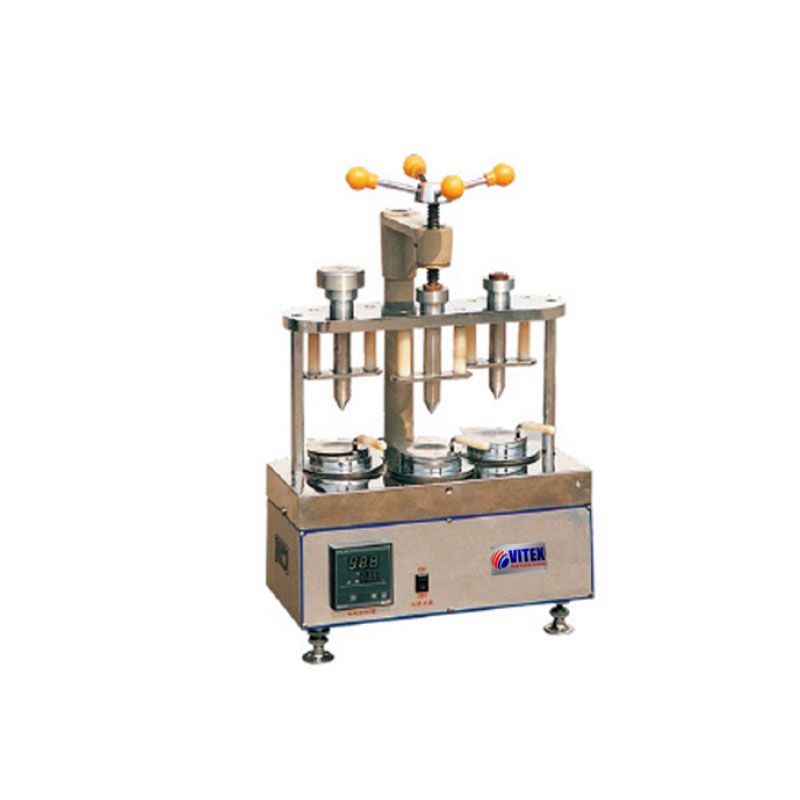
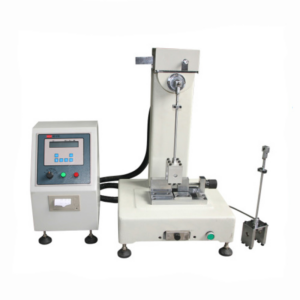
The Rapid Oil Extraction Apparatus determines the oil or finish content of wool or synthetic samples through solvent percolation and evaporation within 15 minutes. It is suitable for all natural and synthetic fibers, yarn, or fabric.

Specification

  • Standards GB/T6504, WIRA Test Method No.5, GB6977, FZ/T20002
  • Power 220 /110 V 50/60 Hz
  • Weight 40 Kg
  • Dimensions 475 x 360 x 660mm (L x W x H)
  • Temperature Range: 60℃-150℃
  • Sample Weight per Test: 2g x 3
  • Extraction Reagent Dosage: 20ml x 3
  • Heating Power: 300 W
  • Extraction Time: 20min ~ 230min
  • Work Stations: 3

Testing Method

The Importance of Testing Oil Content in Fiber:

Oil content in fiber refers to the percentage of oil agent dry weight relative to the fiber’s dry weight. Oil content greatly impacts fiber processing performance—too low oil content can lead to electrostatic issues, while too high oil content can cause stickiness problems.

High oil content problems are harder to address than low oil content issues. Ideally, oil content should be kept minimal while ensuring sufficient antistatic properties and smoothness. Accurate oil content measurement is essential for optimizing fiber performance, and methods for this include the extraction method, neutral soap washing method, and nuclear magnetic resonance method.

Extraction Test Principle Our Rapid Oil Extraction Apparatus uses the extraction method to measure fiber oil content. It dissolves the oil agent from the fiber surface using an organic solvent, extracts non-fiber substances, and then evaporates and dries the extract to obtain the non-volatile oil agent. The oil content is calculated based on the weight of the oil agent and fiber.

Test Procedure

  1. Connect and turn on the power switch.
  2. Set the heating temperature and heat the hot plate.
  3. Reset the test time before starting the machine.
  4. Weigh the evaporator and place it on the heating device, then cover it with the pressure ring.
  5. Using tweezers, place the specimen into the specimen tube, compress it tightly, and add 10ml solvent. Allow the solvent to flow from the tube.
  6. When the solvent stops flowing, insert the pressing bar and weights to regulate solvent flow.
  7. Once the solvent stops flowing, remove the weights and pressing bar, loosen the specimen with a hook, add another 10ml solvent, and repeat steps 5 and 6.
  8. Remove the solvent-free specimen and place it in an oven (100~110℃).
  9. After the solvent evaporates from the evaporating dish, cool and weigh the dish.
  10. Calculate the fiber’s oil content using the provided formula.

Coming Soon

Application

The Rapid Oil Extraction Apparatus determines the oil or finish content of wool or synthetic samples through solvent percolation and evaporation within 15 minutes. It is suitable for all natural and synthetic fibers, yarn, or fabric.

Specification

  • Standards GB/T6504, WIRA Test Method No.5, GB6977, FZ/T20002
  • Power 220 /110 V 50/60 Hz
  • Weight 40 Kg
  • Dimensions 475 x 360 x 660mm (L x W x H)
  • Temperature Range: 60℃-150℃
  • Sample Weight per Test: 2g x 3
  • Extraction Reagent Dosage: 20ml x 3
  • Heating Power: 300 W
  • Extraction Time: 20min ~ 230min
  • Work Stations: 3

Testing Method

The Importance of Testing Oil Content in Fiber:

Oil content in fiber refers to the percentage of oil agent dry weight relative to the fiber’s dry weight. Oil content greatly impacts fiber processing performance—too low oil content can lead to electrostatic issues, while too high oil content can cause stickiness problems.

High oil content problems are harder to address than low oil content issues. Ideally, oil content should be kept minimal while ensuring sufficient antistatic properties and smoothness. Accurate oil content measurement is essential for optimizing fiber performance, and methods for this include the extraction method, neutral soap washing method, and nuclear magnetic resonance method.

Extraction Test Principle Our Rapid Oil Extraction Apparatus uses the extraction method to measure fiber oil content. It dissolves the oil agent from the fiber surface using an organic solvent, extracts non-fiber substances, and then evaporates and dries the extract to obtain the non-volatile oil agent. The oil content is calculated based on the weight of the oil agent and fiber.

Test Procedure
  1. Connect and turn on the power switch.
  2. Set the heating temperature and heat the hot plate.
  3. Reset the test time before starting the machine.
  4. Weigh the evaporator and place it on the heating device, then cover it with the pressure ring.
  5. Using tweezers, place the specimen into the specimen tube, compress it tightly, and add 10ml solvent. Allow the solvent to flow from the tube.
  6. When the solvent stops flowing, insert the pressing bar and weights to regulate solvent flow.
  7. Once the solvent stops flowing, remove the weights and pressing bar, loosen the specimen with a hook, add another 10ml solvent, and repeat steps 5 and 6.
  8. Remove the solvent-free specimen and place it in an oven (100~110℃).
  9. After the solvent evaporates from the evaporating dish, cool and weigh the dish.
  10. Calculate the fiber’s oil content using the provided formula.

Coming Soon

Save Big on High-Precision Tools!
Get up to 30% off on selected testing machines. Hurry, offer ends soon!
Need Expert Advice?
Speak with our specialists to find the perfect engineering equipment for your needs.

Request a Quote or Further Information

Please fill in the request form below and one of our engineers will contact you to discuss your system requirements and if we can help, our typical response time is within 1 – 3 working day.

What you should know

Well, there's a few conditions that apply:

  • You agree NOT to pay us for this service.
  • You're comfortable with supplying us with relevant information in this form as well as other relevant information surrounding the request, for example; what you want, how many, delivery deadlines, restrictions on the location of the supplier, price targets etc.
  • We may only process requests where the email address submitted matches the company name. We may not respond to free email accounts such as Hotmail.
  • You agree that all information provided in this inquiry form represents yourself or an entity that you can speak for, that the information is accurate to the best of your knowledge and that if we determine that you have given false information we may choose not to proceed with this request.
  • You accept that, the operators of this site, cannot guarantee the suitability of any materials, equipment or services you may purchase from a supplier we've contacted on your behalf. You must check that out with the supplier.
  • We respect your privacy and only pass on the details contained in your request to appropriate suppliers in accordance to your inquiry. As we will share your information with related suppliers, we need your permission to do this by you clicking the submit button. We respect your privacy and promise you will only receive related information in accordance with testing and measuring instruments or equipment news and updates. You can unsubscribe from any of these services at any time by simply forwarding an email to [email protected].
  • We can't guarantee that the supplier will respond and if they don't, you agree you won't get angry with us. However, if you don't receive a response within 10 working days, please send us a follow-up message and we'll try and help further.