
Introduction
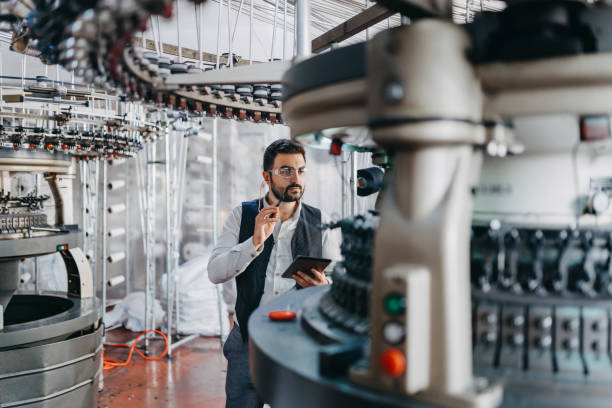
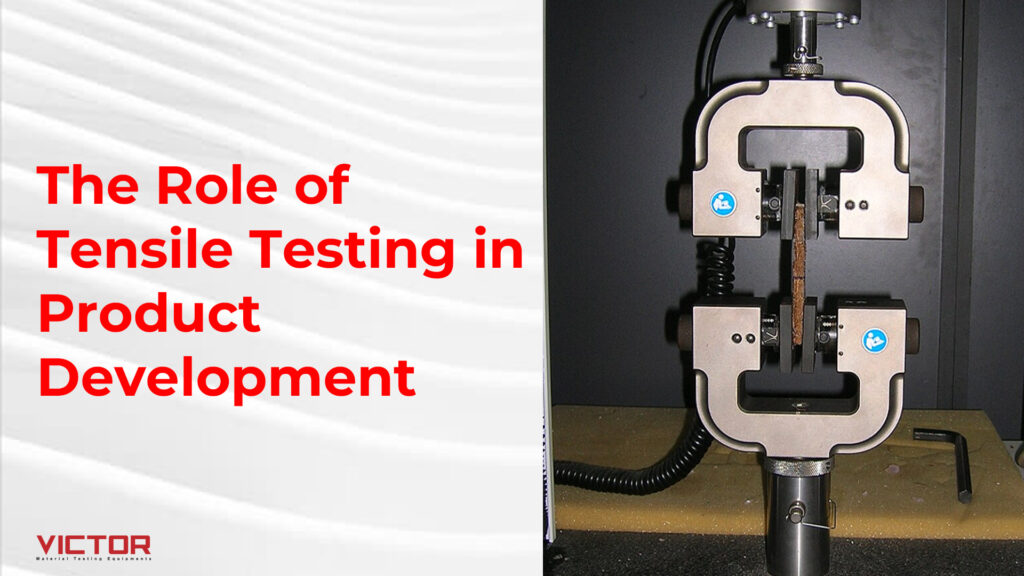
Tensile testing plays a critical role in modern product development. In Malaysia’s diverse industrial landscape—from automotive to consumer packaging—manufacturers depend on tensile testing to verify that materials can withstand real-world forces and usage conditions. By applying controlled tension to a sample until it breaks, tensile testing provides essential data about material strength, elasticity, and ductility. These insights help companies develop safer, stronger, and more efficient products.
From the earliest design stages to final quality control, tensile testing is a trusted method to measure and predict product behavior. With the right equipment, such as Victor’s advanced universal testing machines, Malaysian companies can conduct precise tensile testing that meets ISO, ASTM, and other international standards.
What is Tensile Testing?
Tensile testing involves pulling a material sample in a straight line until it fractures. The machine measures how much force is applied and how the material stretches or deforms during the process. Tensile testing helps determine:
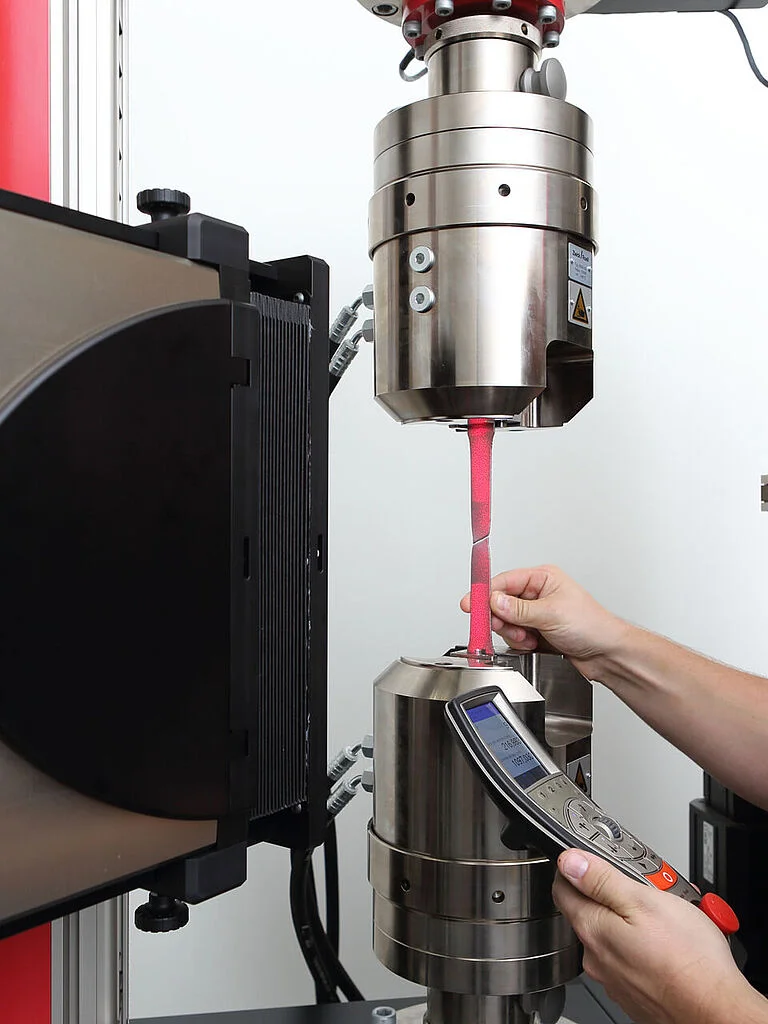
- Ultimate tensile strength
- Yield strength
- Elongation at break
- Modulus of elasticity
- Strain behavior
This data is critical for engineers and designers to ensure that the material selected is suitable for its intended purpose. For example, tensile testing can identify whether a metal component will deform under stress or whether a plastic film has enough elasticity for packaging applications.
Why Tensile Testing Matters in Product Development
During product development, making informed decisions about materials is essential. Tensile testing gives engineers the ability to:
- Compare different materials for strength and flexibility
- Validate supplier material specifications
- Simulate real-life product conditions
- Optimize material usage for cost-effectiveness
By integrating tensile testing early in the design process, companies can avoid costly redesigns and product failures later. In Malaysia, where industries are rapidly innovating to compete regionally and globally, tensile testing has become a standard procedure in R&D labs.
Tensile Testing Across Industries in Malaysia
Many industries in Malaysia rely on tensile testing to ensure product performance:
Automotive and Metalworking
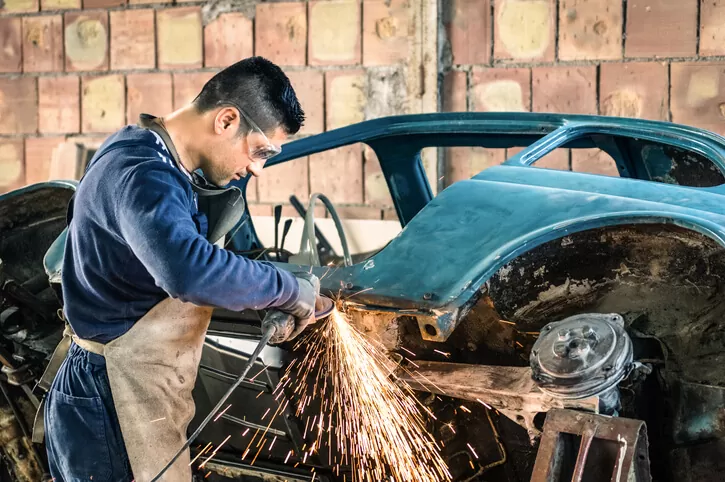
Manufacturers use tensile testing to assess the structural integrity of parts like brackets, fasteners, and suspension components. Components must meet strict mechanical performance criteria, which can only be guaranteed through accurate tensile testing.
Plastic and Packaging
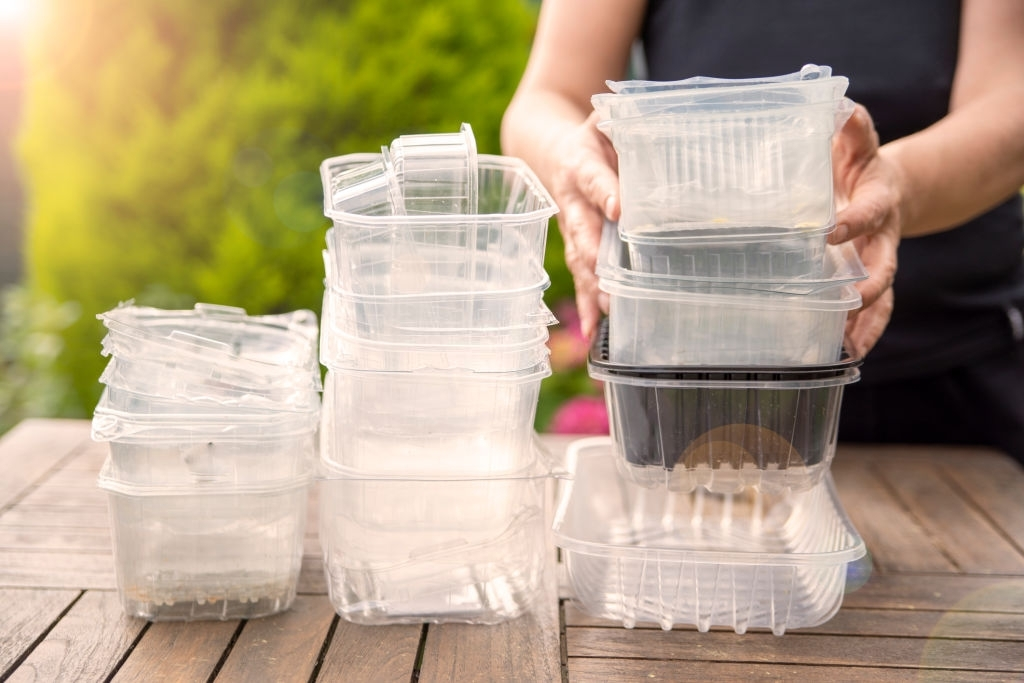
Plastic films, bottles, and containers go through tensile testing to measure stretchability, durability, and seal integrity. Packaging producers in Klang Valley and Penang use tensile testing to develop high-performance, lightweight, and eco-friendly solutions.
Rubber and Glove Production
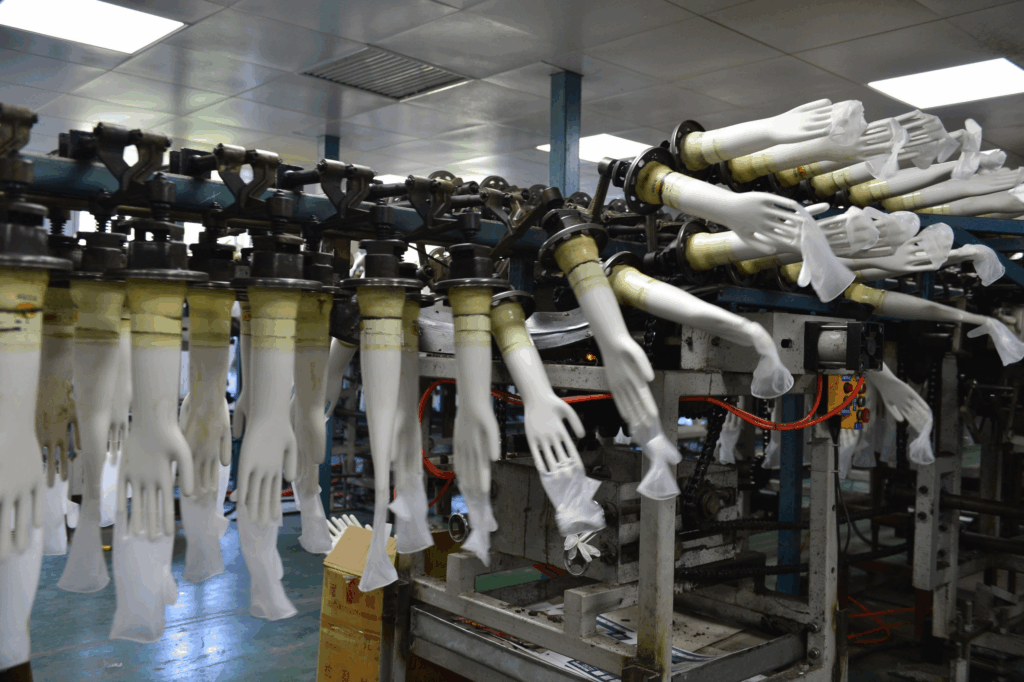
Malaysia’s glove industry uses tensile testing to evaluate the strength and elongation of latex and nitrile gloves. This ensures gloves meet medical and industrial safety standards.
Construction and Concrete

Reinforcing bars, structural steel, and plastic spacers used in construction are subjected to tensile testing to confirm they meet regulatory standards like SIRIM and ISO 6892.
Choosing the Right Tensile Testing Equipment
Victor Manufacturing offers a wide range of universal tensile testing machines designed for Malaysian industries. Machines like the Victor 2308E and 260E are commonly used for reliable tensile testing in laboratories and manufacturing environments.
When selecting a tensile testing machine, consider:
- Load capacity for your material type
- Grips and fixtures for different shapes
- Test speed and control precision
- Data acquisition and software integration
Whether you’re a university lab or a production facility, Victor’s tensile testing solutions are adaptable to your needs.
Ensuring Standards and Compliance
Using tensile testing helps ensure your products comply with Malaysian and international standards. Most quality certifications—such as ISO 527, ASTM D638, and EN standards—require tensile testing as part of their validation process.
With regular calibration and maintenance, tensile testing machines can deliver consistent results that hold up under audit and inspection. Victor Materials also provides service contracts to ensure your tensile testing equipment stays compliant and accurate.
Education and Workforce Development
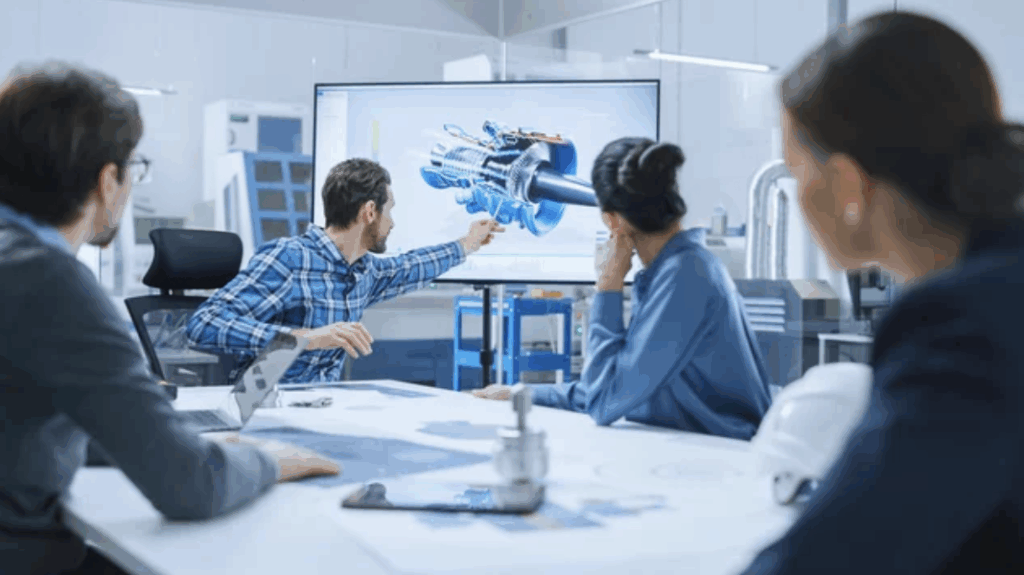
Malaysian universities and polytechnics are investing in tensile testing machines to educate future engineers. By learning to use real-world tensile testing machines, students are better prepared for careers in R&D, QA, and production.
Conclusion
Tensile testing is more than just a quality control tool—it’s an essential part of the product development process in Malaysia. From selecting materials to meeting regulatory requirements, tensile testing ensures that products perform as intended.